Many Intel CPUs within the same generation share the same underlying silicon design
- Differences come after manufacturing, not before
POWER CLASS COMES FIRST
- U-series (~15W) → thin and efficient laptops
- P-series (~28W) → balanced performance laptops
- H-series (~45W+) → high performance machines
- Each chip is designed for its power class from the start
- A U-series chip is not a failed H-series chip
BINNING (THE SORTING PROCESS)
- After manufacturing, chips are tested for performance and efficiency
- Variations determine how fast and efficient each chip can run
- Within the same power class:
- Best chips → i7 / i9
- Mid-tier → i5
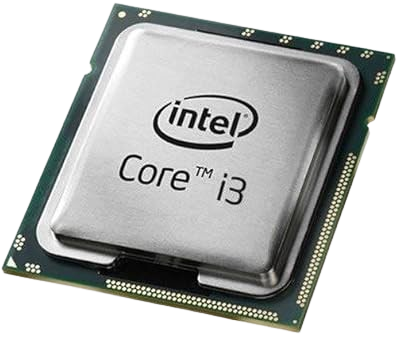
- Lower-tier → i3
COMMON MISCONCEPTION
- Not all chips were intended to be i9
- Binning does not mean failed chips become lower tiers
WHAT INTEL IS ACTUALLY DOING
- Designing a full product stack intentionally
- Creating multiple performance levels for different users and price points
- Even high-quality chips can be sold as i5 due to market strategy
BETTER MENTAL MODEL
- Same base design, but configured differently for purpose and pricing
FINAL TAKEAWAYS
- Same silicon across tiers → often true
- Binning determines i3, i5, i7 differences → true
- Power class (U, P, H) is decided first → always
- Everything was meant to be i9 → false
Intel i3, i5, i7, i9 Explained
You must be logged in to post a comment.